top of page

6 agents promote cancer cells to proliferate and develop

  • ba'oyen
  • Sep 20, 2023
  • 3 min read
Drinking alcohol, smoking, and consuming contaminated food are factors that cause cancer cells to proliferate and develop in the body. Substances and exposures (hazards) that can lead to cancer are called carcinogens. Note, that many of these agents can be limited or avoided


Drinking alcohol, smoking, and eating contaminated food are factors that cause cancer cells to multiply and develop in the body.
Substances and exposures (hazards) that can lead to cancer are called carcinogens. Note, that many of these factors can be limited or prevented, such as:
First: Alcohol
Drinking alcohol can increase the risk of mouth, throat, esophagus, larynx, liver, and breast cancer. The more you drink, the higher your risk. The risk of cancer is much higher for people who both drink alcohol and smoke.
Gingivitis is mainly in men due to drinking a lot of beer and alcohol. Photo: @baotuoitre
Second: Tobacco
Tobacco use causes many types of cancer, including cancer of the lung, larynx, mouth, esophagus, throat, bladder, kidney, liver, stomach, pancreas, colon, and rectum, and myeloid leukemia.
Statistics show that smokers are 10 times more likely to develop bronchial cancer than non-smokers. If you are a heavy smoker and smoke more than 20 cigarettes a day, your risk is 15 to 20 times higher than that of a non-smoker. Smoking at a younger age has a higher risk. In Vietnam, smoking waterpipes and chewing betel leaves also have a higher risk, including oral cancer.
Although we know the carcinogenic effects of tobacco, eliminating tobacco and reducing tobacco production and trade is a difficult problem. The main reason is the issue of profit. This is an issue that society and countries need to pay attention to.
Photo:trungtamkiemsoatbenhtathatinh
Third: Ultraviolet rays
Ultraviolet rays damage DNA and can lead to cancer. People of all ages should limit their time in the sun, especially between morning and late afternoon, and avoid other sources of UV radiation such as tanning beds.

It is dangerous to expose your eyes directly to ultraviolet rays. Photo: @benhvienmatsaigon
Wednesday: Radiation
Radiation of certain wavelengths, called ionizing radiation, has enough energy to damage DNA and cause cancer. Ionizing radiation includes radon, X-rays, gamma rays, and other forms of high-energy radiation
Cell phone radiation can cause cancer and infertility in men. Photo: @cellphoneS
Fifth: Infectious agents
Some infectious agents, including viruses, bacteria, and parasites, can cause cancer or increase the risk of cancer, such as Epstein-Barr virus, HBV and HCV, HIV, HPV, and HTLV-1. Some viruses can disrupt signals used to check the growth and proliferation of malignant cells.
Additionally, some infections weaken the immune system, preventing the body from fighting other cancer-causing infections. Viruses, bacteria, and parasites also cause chronic inflammation, which can lead to cancer.
Most viruses associated with an increased risk of cancer can be transmitted from one person to another through blood or other body fluids. You can reduce your risk of infection by getting vaccinated, having safe sex, and not sharing needles.
Friday: Food is not guaranteed
Nutrition plays a role in about 35% of the causes of cancer. Many cancers are related to nutrition such as esophageal cancer, stomach cancer, liver cancer, colorectal cancer, nasopharyngeal cancer, breast cancer,...
The relationship between nutrition and cancer is shown in two main aspects: firstly, the presence of carcinogens in foods and foods, and secondly, the problem is related to pathogenesis. Cancer is the presence of substances that play a role in reducing the risk of cancer (vitamins, fiber...), and imbalance in the diet is also a cause of disease.
Nitrosamine and other N-Nitroso compounds are experimental carcinogens in animals. These substances are often present in foods in small amounts. Nitrites and nitrates often occur naturally in meat, fish, and processed food preservatives. Consuming a lot of foods containing Nitrite and Nitrate can cause esophageal and stomach cancer.
Studies have shown that salted or pickled foods such as salted fish have high Nitrosamine content. Southeast Asian countries often consume this type of food which is linked to the pathogenesis of nasopharyngeal cancer. Japanese scientists have shown that the consumption of fish sauce, which contains high levels of Nitrosamine, is associated with stomach cancer.
Aflatoxin is produced by the mold Aspergillus flavus. This is a substance that causes liver cancer, a common disease in tropical countries. This type of mold is often found in moldy grains, especially moldy peanuts.
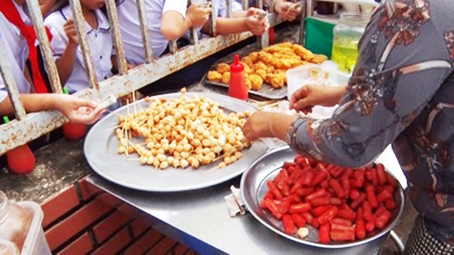
Using some food dyes can cause cancer, such as Paradimethyl Amino Benzene used to dye butter into "butter yellow" which can cause liver cancer. In these countries, the use of food dyes as well as additives is strictly controlled to ensure food safety. Foods containing pesticide residues can not only cause acute poisoning but also cause cancer.
Some ways of cooking and preserving food can create carcinogens. Smoked foods may be contaminated with Benzopyrene. Directly grilling meat at high temperatures may create some products that can cause genetic mutations.

Images are collected from many different sources

Source of information: collected


Comments


  • Instagram
  • Facebook
  • Twitter

GOODBYE AND THANK YOU!

Vibrant Visions

©2023 by Vibrant Visions. Powered and secured by Wix.com

bottom of page